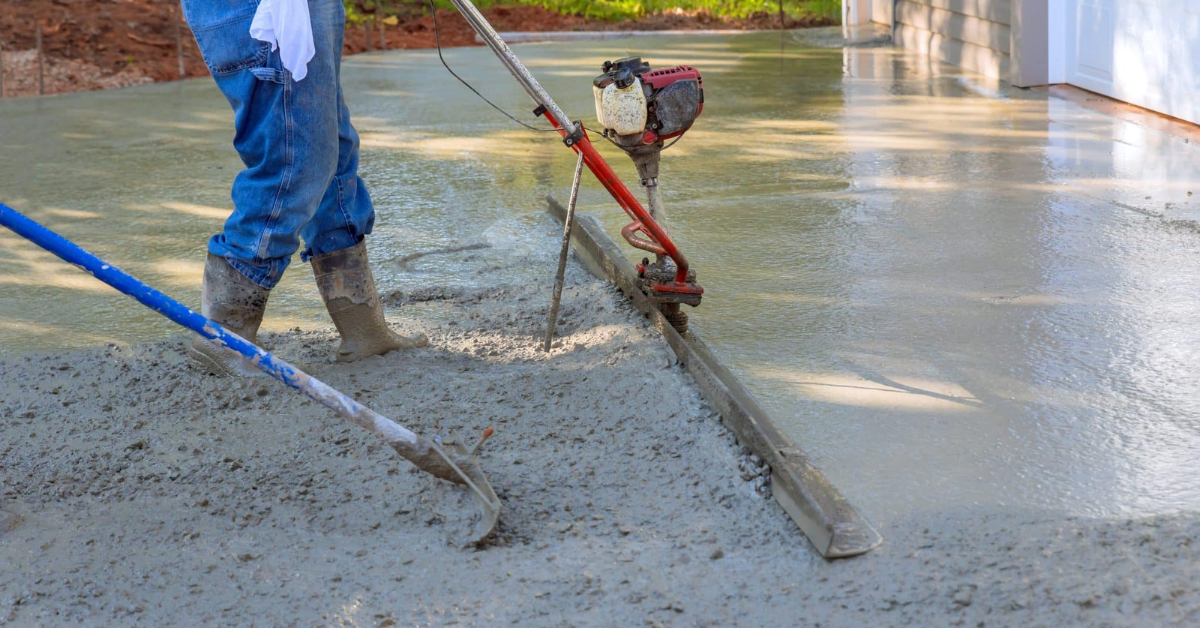
Concrete is widely used in commercial construction because it provides strength, versatility, and dependable performance. However, even a well designed concrete structure needs appropriate reinforcement to manage the stresses that develop during everyday use. Commercial parking areas, building foundations, warehouse floors, and loading zones often experience substantial weight and repeated traffic. Professional Concrete Parking Lot Installation Galveston TX services require careful consideration of reinforcement, ground preparation, and concrete specifications. For businesses in Galveston, coastal weather and changing moisture conditions also make proper construction planning important. Understanding how reinforcement works helps property owners make informed decisions and invest in concrete structures designed for their intended applications.
1. Understanding the Purpose of Concrete Reinforcement
Concrete performs well under compression, meaning it can support substantial downward pressure. However, it has lower tensile strength, which means it is less capable of resisting pulling forces. Reinforcement helps address this limitation.
How Reinforcement Strengthens Concrete
Reinforcing materials are incorporated into concrete to help manage tensile stresses and support structural performance. Steel reinforcing bars are commonly used in commercial construction because they work effectively with concrete when properly designed and installed.
Other reinforcement options include welded wire reinforcement and certain specialized fibers. The appropriate selection depends on the project specifications and expected structural demands.
Commercial applications may include:
- Building foundations and structural slabs
- Warehouse floors
- Concrete parking areas
- Loading and unloading zones
- Commercial walkways
- Equipment support surfaces
Each application requires a suitable reinforcement arrangement based on engineering requirements.
Why Professional Planning Matters
Reinforcement should never be selected simply by guessing the amount of material needed. Its size, spacing, placement, and concrete cover should follow the approved structural design.
A knowledgeable Concrete Contractor Galveston, TX can coordinate reinforcement requirements with the construction plans and help ensure that the installation follows the specified design.
2. Common Causes of Cracking in Concrete Structures
Concrete can develop cracks for several reasons. Some are associated with natural material behavior, while others result from ground movement, excessive loads, environmental exposure, or construction practices.
Shrinkage and Temperature Changes
Concrete naturally changes as it loses moisture during curing. This process can produce shrinkage, particularly when curing conditions are not properly managed.
Temperature changes can also cause concrete to expand and contract. If the structure does not have appropriate joints and design provisions, these movements may contribute to cracking.
Soil Movement and Settlement
Ground conditions play a major role in concrete performance. Poorly compacted soil, unsuitable base materials, and uneven support can lead to differential settlement.
When different sections of a concrete surface move unevenly, stress develops within the structure.
Excessive Loads
Commercial surfaces must be designed for their intended traffic and weight requirements. A parking area used by passenger vehicles has different structural demands from a loading zone regularly accessed by heavy trucks.
An experienced Concrete Contractor Galveston, TX considers these factors when reviewing concrete thickness, reinforcement, and supporting ground conditions.
3. Choosing the Right Reinforcement Materials
Different reinforcement materials offer different advantages. The selection depends on structural requirements, project dimensions, expected loads, and environmental exposure.
Steel Reinforcing Bars
Steel reinforcing bars are widely used in commercial foundations, slabs, and structural concrete applications. They help concrete manage tensile stresses and provide additional structural support.
The placement of reinforcing bars must follow the engineering design. Proper spacing and concrete cover are important because reinforcement needs adequate protection within the finished structure.
Welded Wire Reinforcement
Welded wire reinforcement consists of connected steel wires arranged in a grid. It may be used in suitable slabs and other applications where the design specifies this material.
Its purpose and placement depend on the project requirements rather than a universal construction rule.
Fiber Reinforcement
Certain concrete mixtures include synthetic or steel fibers. These materials can help control particular types of cracking and improve selected performance characteristics.
Fiber reinforcement does not automatically replace conventional steel reinforcement. The correct approach depends on the structural design.
A professional Concrete Contractor Galveston, TX can explain the available options and coordinate the selected reinforcement with the intended use of the property.
4. Why Reinforcement Matters in Galveston's Coastal Climate
Commercial construction in Galveston requires attention to local environmental conditions. Humidity, salt exposure, rainfall, and occasional storms can influence concrete durability and reinforcement protection.
Managing Moisture and Salt Exposure
Moisture and chloride exposure can contribute to corrosion of reinforcing steel when protective concrete cover and material specifications are inadequate.
Corrosion can affect reinforcement performance and contribute to deterioration within concrete structures. Selecting suitable concrete mixtures and following proper installation specifications are therefore important.
Effective Drainage and Concrete Protection
Drainage should be considered during the design stage. Water should not accumulate unnecessarily around foundations, parking areas, and commercial walkways.
Important construction considerations include:
- Appropriate concrete mixture specifications
- Adequate reinforcement cover
- Proper surface slopes
- Effective water drainage
- Suitable curing procedures
These measures support better long term performance when combined with an appropriate structural design.
5. Professional Installation and Long Term Maintenance
Even high quality reinforcement materials cannot provide their intended benefits when they are incorrectly installed. Professional workmanship is important throughout the construction process.
Correct Reinforcement Placement
Reinforcement must be positioned according to the approved plans before concrete placement. Contractors should check dimensions, spacing, support, and concrete cover.
The concrete should then be placed and consolidated using suitable methods to avoid unnecessary voids around reinforcement.
Proper finishing and curing are equally important because they contribute to the development of concrete strength and surface quality.
Maintaining Reinforced Concrete Structures
Commercial property owners should inspect their concrete surfaces periodically. Changes in appearance, unusual movement, moisture accumulation, or exposed reinforcement deserve professional evaluation.
Regular cleaning and effective drainage also help maintain commercial concrete installations.
A reliable Concrete Contractor Galveston, TX can provide guidance about suitable construction specifications and maintenance practices for different commercial applications.
Frequently Asked Questions
- Why is reinforcement important in commercial concrete construction?
Reinforcement helps concrete manage tensile stresses and supports structural performance. Steel bars, welded wire materials, and selected fibers may be used depending on engineering specifications, expected loads, and the intended application of the concrete structure.
- Does reinforcement completely prevent concrete cracking?
No. Reinforcement helps control certain cracking behaviors and supports structural performance, but it cannot eliminate every cause of cracking. Concrete mixture design, curing, soil preparation, joints, and environmental conditions also influence cracking.
- Which reinforcement material is best for commercial concrete?
The appropriate material depends on structural requirements. Steel bars are common in foundations and structural slabs, while welded wire and fibers may suit particular applications. Engineering specifications should determine the final selection.
- Can coastal weather affect reinforced concrete?
Yes. Salt exposure and moisture can contribute to reinforcement corrosion when protective specifications are inadequate. Suitable concrete mixtures, sufficient concrete cover, effective drainage, and proper installation help address these environmental concerns.
- How can commercial property owners maintain reinforced concrete?
Owners should arrange periodic inspections, keep drainage areas clear, clean concrete surfaces, and monitor visible changes. Professional assessment helps determine whether unusual cracking, movement, or moisture conditions require further attention.
Conclusion
Proper reinforcement is an essential consideration in commercial concrete construction. It helps concrete structures manage tensile stresses, support expected loads, and perform according to their intended structural design. Material selection, reinforcement placement, soil preparation, and curing all contribute to the final result.
For businesses planning concrete foundations, warehouse floors, or parking facilities, choosing an experienced Concrete Contractor Galveston, TX is an important step. Contact Mouton Concrete Services to discuss your commercial concrete requirements and request an estimate. Careful planning and professional installation can help create dependable concrete surfaces for your property.